
Brand new you:
What your online presence says about you
You probably already have a personal brand – you just might not call it that.
Not because you’re an influencer or trying to build a following, but because every time you post online, you shape how others might see you.
Think about it.
There’s a version of you your family knows. A version your friends know. A version of you at work or school. Offline, those versions can stay separate.
Online, they often exist in the same place.
And that’s where it gets interesting. Your social media becomes the version of you that everyone can access. But… is it actually YOU?

Photo by: GRIN
What is a personal brand and why should we care?
A personal brand can be understood as the “public perception” or an impression people form about you based on what they see, hear, and experience, especially online.
Research suggests that everyone already has a personal brand, shaped by their personality, experiences, and the impressions they leave on others.
In fact, personal branding isn’t something reserved for influencers or professionals – it applies to almost anyone with an online presence.
Perception is shaped every day through what we post, like, comment on and share. You don’t need a blue tick to have a personal brand. You just need a profile.
In that sense, your last five posts may say as much about your personal brand as your resume.
Why care?
Because perception online can shape trust, opportunity and how others encounter you. Personal branding is really just reputation in the digital age.


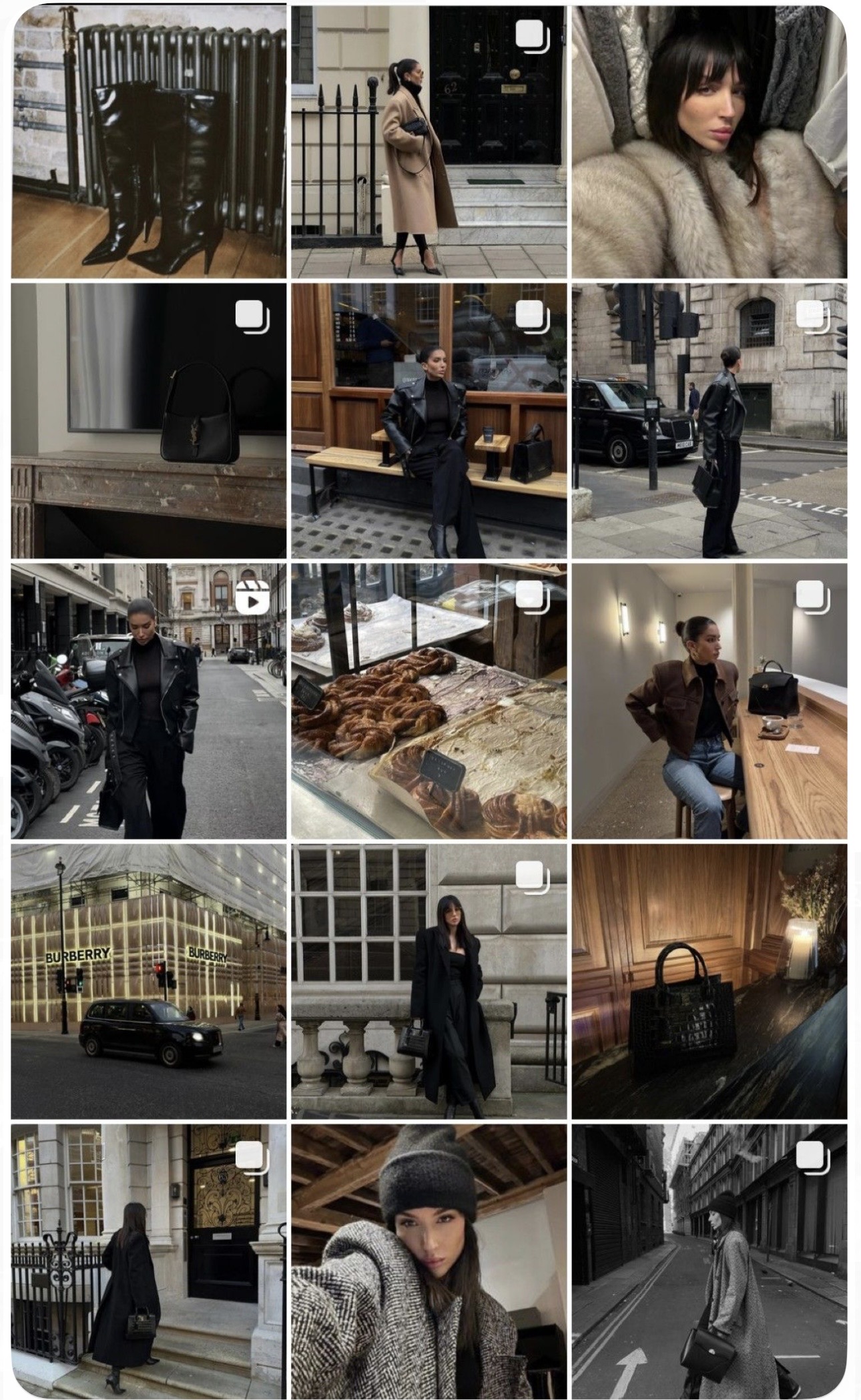
Photos sourced from Pinterest. Original creators: Balim (Image 1), Tazo (Image 2), SMM Content Creator (Image 3).
Social media: more than self-expression
Social media gives individuals the ability to share ideas, images, and content with large audiences, making it a key space where identity is formed and communicated.
Because of this, it plays a major role in shaping how people are perceived.
But building a personal brand online isn’t accidental.
It involves actively shaping how you are perceived, meaning even small decisions about what you post contribute to how others interpret your identity.
That includes being consistent. Your tone, content, and overall style all contribute to whether people recognise and remember you.
It also takes time. Personal branding develops gradually, with each post adding to a larger picture of who you are.
So while posting might feel casual, it’s often contributing to something much bigger.
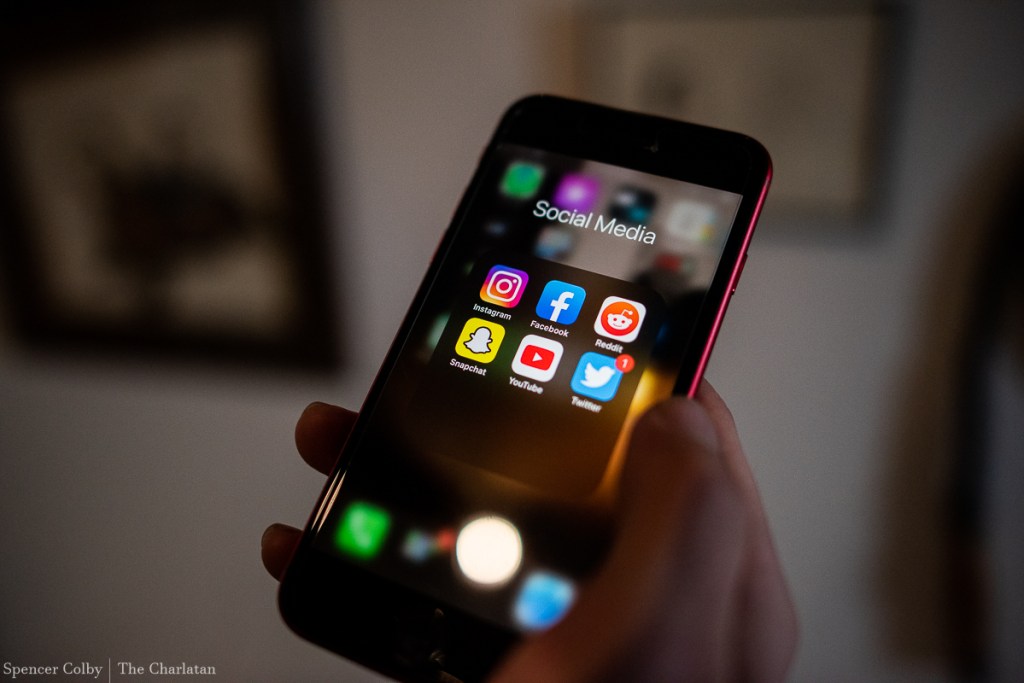
Social media is the new phone book
We don’t pull out a phone book to find someone anymore. We search for them online.
Maybe it’s an Instagram scroll. A LinkedIn check. A quick “social media stalk” before a date, a group project or even a job interview.
Those first impressions often start online. You can feel like you know someone before you’ve ever met them.
Even if you rarely post or don’t think much about social media, it doesn’t mean you’re not part of this. People still use online spaces to form an understanding of who you are.
This shift means personal branding is no longer optional; it’s embedded in everyday online interaction.
Why it actually matters
Imagine applying for a job. The employer Googles your name. The first thing they see are your public profiles, old party photos and a string of sarcastic tweets from 2021. Suddenly, personal branding doesn’t sound like influencer jargon.
It can help individuals increase visibility, credibility, and opportunities in competitive environments.
More importantly, employers are increasingly using social media as part of the hiring process.
Research shows that 82% of employers consider a candidate’s social media presence. Your online presence can influence opportunities before you get the chance to speak.
That bikini photo from 2019? It might not feel like personal branding – but it could be the difference between you and another applicant.
Posting or positioning?
Social media constantly encourages people to “be authentic.”
But in reality, it’s not that simple because “the presence of an audience changes the ideal of authenticity.”
When people know they’re being watched, they naturally adjust what they share and how they present themselves.
Complete authenticity isn’t always possible. People act differently depending on context, audience, and environment.
This creates a tension between being yourself and presenting yourself.
So while it might feel like you’re “just posting,” there is often an element of positioning involved.
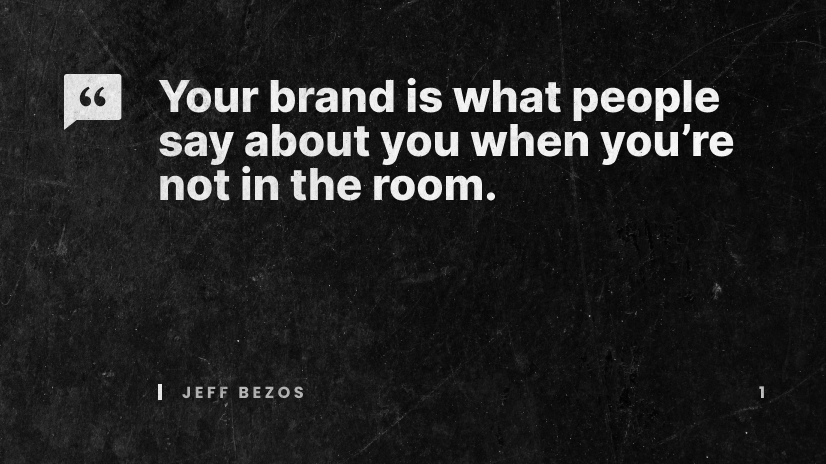
Photo by: htmlBurger
Before your next post:
It’s worth pausing to think about how you present yourself online:
- If someone landed on your profile today, what story would it tell?
- Does your content reflect who you are, or who you think you should be?
- Are you sharing, or performing?
- Would you be comfortable with that post being seen in five years?
Not to make you overanalyse your last selfie, but it’s worth thinking about.
What does your brand say?
If you have a social media account, you have a personal brand. The question is whether it reflects who you actually are, or just what you choose to show.
So, are you posting or positioning?
 SCARLETT'S BLOG
Leave a comment